

Matcha vs Coffee: Which Is Better for Energy and Focus?
Updated: Jun 30
Matcha and coffee both deliver energy and mental clarity — but they do it very differently. Matcha provides a sustained, calm focus without the jitters or energy crash associated with coffee, thanks to its unique combination of caffeine and L-theanine. For many people switching from coffee to matcha, the difference is noticeable within days. This guide breaks down exactly what each drink does, compares them side by side, and explains why matcha is worth trying if you want better, cleaner energy.
What Makes Matcha Different
Matcha is powdered green tea made from shade-grown Camellia sinensis leaves. Unlike regular green tea, which is brewed and strained, matcha involves consuming the entire leaf in powdered form — meaning you get a far more concentrated dose of its nutrients, antioxidants, and amino acids.
The key compound that sets matcha apart is L-theanine, an amino acid that promotes a relaxed but alert mental state. When L-theanine and caffeine are consumed together — as they naturally are in matcha — the result is focused, calm energy without the anxiety spike that caffeine alone can cause.
Matcha vs Coffee: A Direct Comparison
FeatureAnxiety/jitters | Matcha | Coffee |
Caffeine content | 30–70mg per serving | 80–120mg per serving |
L-theanine | High (promotes calm focus) | None |
Energy onset | Gradual (20–30 mins) | Fast (15 mins) |
Energy duration | 4–6 hours, stable | 2–3 hours, then crash |
Anxiety / jitters | Rare — L-theanine buffers caffeine | Common at higher doses |
Antioxidants | Very high (EGCG) | Moderate |
Acidity | Low — gentle on stomach | High — can cause acid reflux |
Caffeine crash | Minimal | Common |
The Science Behind the Calm Focus Effect
The combination of caffeine and L-theanine has been studied in multiple clinical trials. Research published in Nutritional Neuroscience found that the combination improves both speed and accuracy of performance on demanding cognitive tasks, and reduces susceptibility to distracting information — effectively delivering better focus than either compound alone.
This is why matcha drinkers often describe the effect as 'alert but calm' — the caffeine activates, the L-theanine smooths the edges. The result is a state often described as effortless concentration, the kind traditionally associated with Zen meditation (which is, not coincidentally, where matcha culture originated).
Who Should Switch to Matcha?
Matcha is particularly well-suited to:
People who experience anxiety, jitteriness, or heart palpitations from coffee
Anyone who suffers from afternoon energy crashes after morning coffee
Those with sensitive stomachs — matcha is significantly less acidic than coffee
People who want cleaner, more sustainable energy through a longer work session
Anyone already interested in wellness, antioxidants, or reducing caffeine intake
Matcha isn't for those who want an immediate, intense energy kick. The onset is gentler and the experience more sustained. If that's what you're after, matcha delivers better.
How to Make Matcha at Home
Good matcha needs three things: quality powder, the right temperature water, and a proper whisk.
Sift 1–2 teaspoons of matcha powder into a bowl or mug to remove clumps
Add 60–80ml of water at 70–80°C — never boiling, which degrades the L-theanine and produces bitterness
Whisk vigorously in a W or M motion until the matcha is fully dissolved and a light foam forms
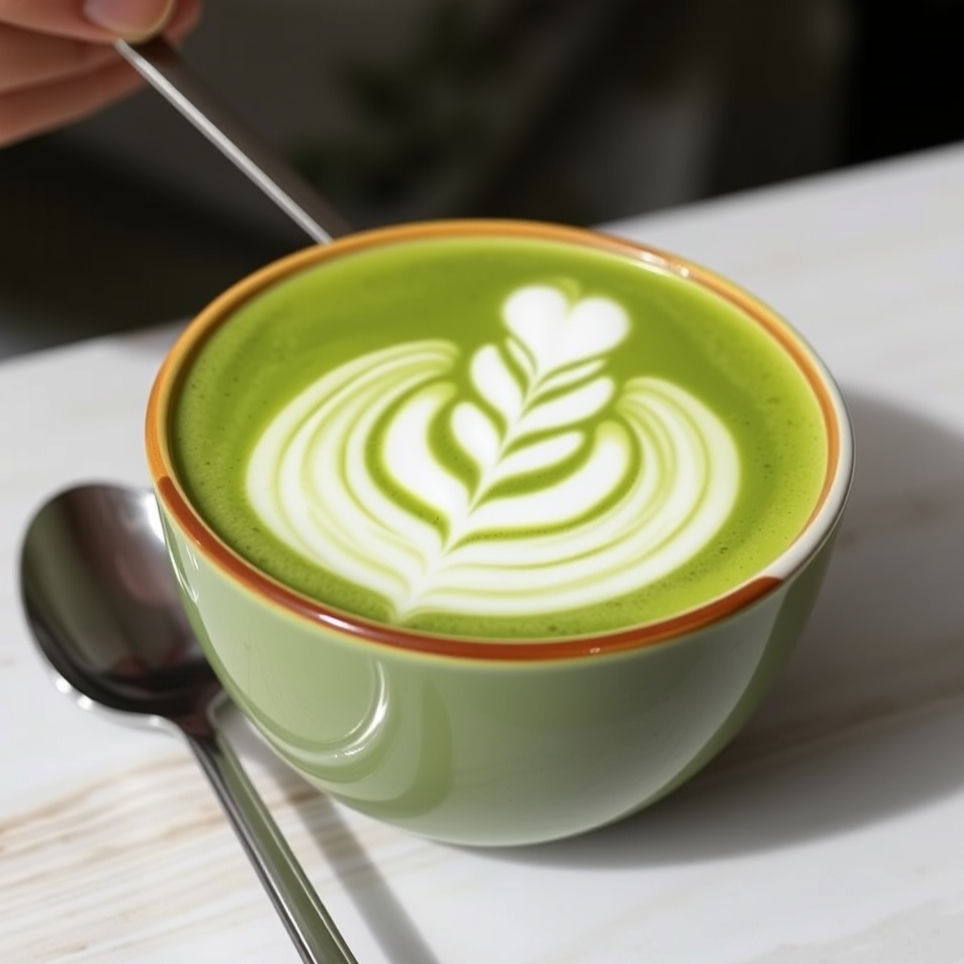
Top up with more hot water for a thin matcha, or steamed milk for a matcha latte
Use ceremonial-grade matcha for drinking straight, and everyday-grade for lattes and baking. Our matcha range is sourced for quality and flavour.
Does Matcha Help with Anxiety?
Yes, in a specific way. Matcha's L-theanine content helps modulate the body's stress response by supporting GABA activity in the brain. A study in Current Research in Food Science found that matcha lowered stress and anxiety levels while slightly improving memory and attention. This makes it one of the few caffeinated drinks that can actually reduce rather than exacerbate anxiety — provided the dose is reasonable.
Frequently Asked Questions
Is matcha healthier than coffee?
Both have significant health benefits. Matcha is particularly high in EGCG antioxidants, contains L-theanine for calm focus, and is gentler on the stomach. Coffee contains more caffeine and has its own antioxidant profile. For most people, matcha is a healthier daily driver — especially if coffee causes jitters or energy crashes.
How much caffeine is in matcha?
A standard serving of matcha (1–2 teaspoons) contains approximately 30–70mg of caffeine — roughly half to two-thirds of a standard espresso. The L-theanine in matcha changes how that caffeine is experienced, making it feel gentler and more sustained.
Can I have matcha every day?
Yes. Daily matcha consumption is safe and well-tolerated for most people. Start with one serving per day (typically in the morning) and adjust based on how you respond to the caffeine.
What is the difference between ceremonial and culinary matcha?
Ceremonial grade matcha is made from the youngest, most carefully processed leaves and is designed for drinking straight. Culinary grade uses slightly more mature leaves and is intended for lattes, smoothies, and baking. Both offer the same core benefits, though ceremonial grade has a superior flavour when drunk on its own.


Comments